How EMDR Helps You Feel Calm in Photos | Summit, North Jersey Photographer
How EMDR Helps You Feel Calm in Photos
For many people, being photographed is more than just standing in front of a camera — it’s an emotional experience! Some feel nervous about being the center of attention. Others worry about how they look, fear being judged, or feel pressure to appear "perfect" in images that may last a lifetime.
If you’ve ever found yourself avoiding photos, feeling tense during a session, or obsessing over how you’ll look afterward, you’re not alone. These reactions are incredibly common, and for many individuals, they stem from deeper emotional patterns or past experiences.
This is where EMDR therapy can make a powerful difference!
Why Photos Bring Up Anxiety for So Many People
Photography has a unique way of revealing emotions we didn’t realize we were holding.
You may relate to some of these common experiences:
• Feeling frozen or stiff during photoshoots
Your body feels tense, your smile looks forced, and you can’t relax, no matter how kind or skilled the photographer is.
• Worrying excessively about how you look
Thoughts like “I’m not photogenic enough,” “I look awkward,” or “I won’t like any of these pictures” run through your mind.
• Avoiding being photographed altogether
You position yourself behind the camera, volunteer to “take the picture,” or skip sessions entirely.
• Struggling with perfectionism
You want every part of the session to go “just right,” and you feel panicked if something feels off.
• Feeling triggered during or after viewing photos
Old memories, self-criticism, or past experiences of being teased or judged might resurface.
These reactions don’t mean anything is “wrong” with you — they simply mean your nervous system is working overtime.
Feel More Confident During Photography Sessions with EMDR
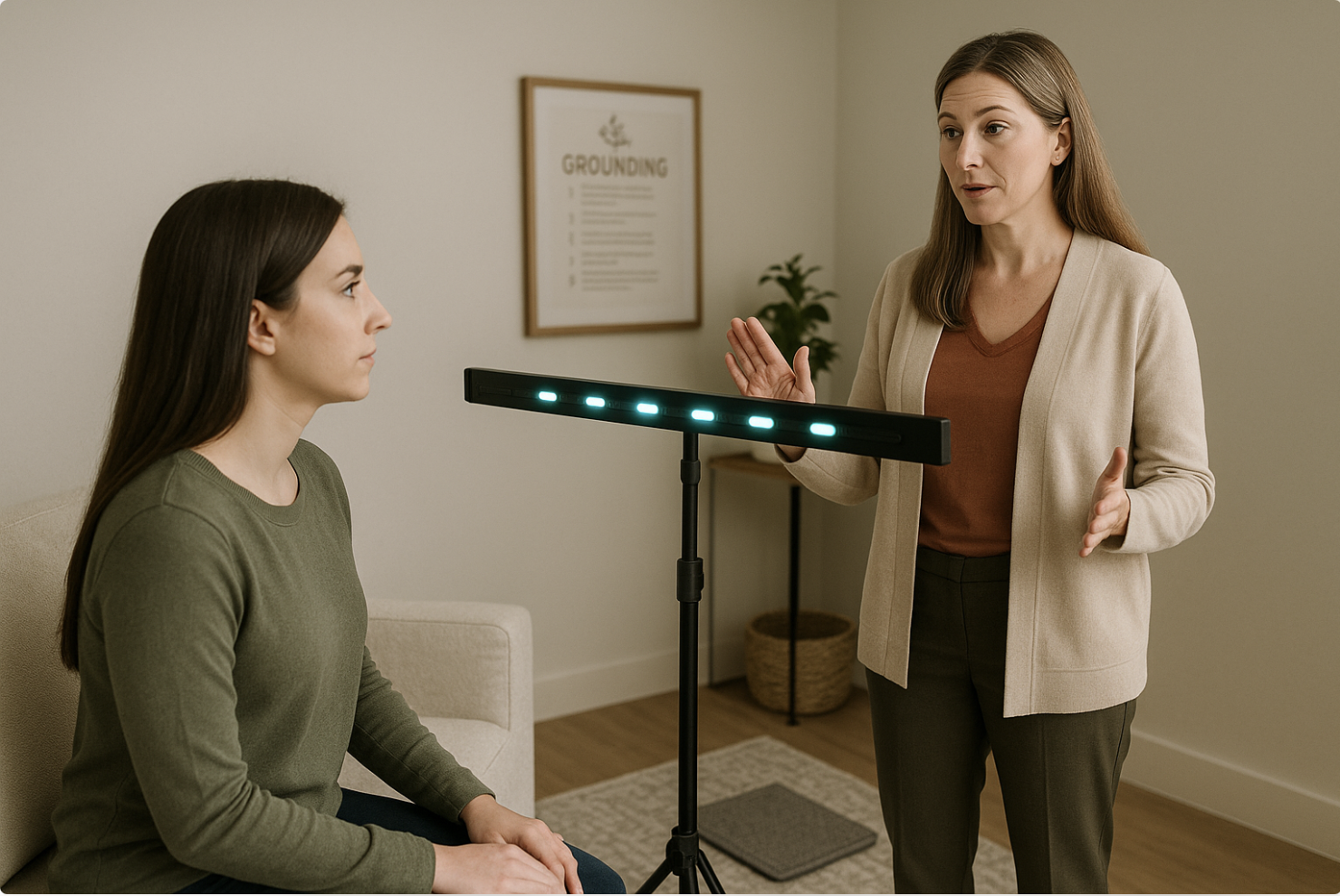
EMDR (Eye Movement Desensitization and Reprocessing) , is a powerful therapy approach that helps people process and release the emotional experiences that fuel anxiety, perfectionism, and self-consciousness.
Here’s how EMDR can specifically support people who struggle with photo-related anxiety:
1. EMDR Helps Reprocess Old Memories of Being Judged or Criticized
Many individuals can trace their camera discomfort back to moments like:
Being teased about their appearance
Being told to “smile more” or “look better”
Harsh school photos or awkward yearbook pictures
Past relationships where they felt scrutinized
Even if these experiences seem small, your nervous system remembers them.
EMDR helps your brain reprocess these memories so they no longer trigger anxiety when a camera comes out.
2. EMDR Reduces Perfectionism That Shows Up in Photoshoots
Photography often highlights perfectionistic tendencies:
“My smile doesn’t look right.”
“My body looks wrong from every angle.”
“I need every shot to look perfect.”
Perfectionism is usually rooted in deeper emotions — fear of judgment, fear of not being enough, or pressure to be “perfect” for others.
EMDR works on those underlying beliefs, helping individuals feel freer, more authentic, and more relaxed in front of the lens.
3. EMDR Helps You Stay Present Instead of Overthinking
People with anxiety often become hyper-aware during photos:
“Where should I put my hands?”
“Do I look awkward?”
“Is everyone staring at me?”
EMDR helps rewire the brain’s overactive alarm system.
Instead of spiraling into self-criticism, individuals learn to stay grounded, calm, and connected to the moment—exactly what leads to more natural, genuine photos.
4. EMDR Increases Self-Compassion and Confidence
When anxiety softens, people begin to:
Smile more naturally
Relax their posture
Trust the photographer
Feel comfortable showing their real personality
And as photographers know, the best images come from genuine emotion, not forced poses!
5. EMDR Helps Individuals Love Their Photos Instead of Critiquing Them
After a session, many people anxiously judge each image:
Zooming in on flaws
Comparing shots
Feeling discouraged rather than excited
EMDR supports healthier self-perception, helping individuals see their photos with appreciation rather than anxiety or shame.
When to Consider EMDR
You may benefit from EMDR if you:
Avoid being photographed
Feel anxious before or during photoshoots
Have past experiences of being teased, judged, or shamed
Struggle with body image or perfectionism
Want to feel more confident and authentic in photos
Want to enjoy life’s moments rather than worry about how you appear in them
EMDR doesn’t just help with photos — it helps with the deeper emotions that influence how you show up in every part of your life.
Feel More Confident in Front of the Camera
If photography brings up anxiety — whether during professional photoshoots or everyday moments — EMDR can help you feel calmer, more grounded, and more confident being seen.
To learn more about how EMDR can support your emotional well-being, you can learn more at:
https://www.hanischcounselingservices.com/
Learn about EMDR therapy, book a consultation, or explore resources to begin your healing journey.
Your most meaningful moments deserve to be captured — and you deserve to feel safe, confident, and present in them!